How to Choose a Digital Marketing Agency for Your Business

Choosing the right digital marketing agency can make a real difference to how your business attracts customers, generates leads and grows online. But with so many agencies offering SEO, paid advertising, content marketing and web development, knowing which one is right for your business isn’t always straightforward.

The best digital marketing agency is one that understands your business goals, builds a strategy around your audience and measures success using results that matter to you. It should also be able to explain what it’s doing, why it matters and how each activity contributes to your wider objectives.

Whether you’re looking to improve your search visibility, generate more enquiries or make better use of your marketing budget, here’s what to look for when choosing a digital marketing agency.

1. Start With Your Business Goals

Before comparing agencies, identify what you want your digital marketing to achieve. A clear understanding of your priorities makes it easier to find a partner with the right expertise.

For example, your goals might include:

  • Increasing organic website traffic through SEO.
  • Generating qualified leads through paid advertising.
  • Improving your visibility in traditional search engines and AI-generated answers.
  • Increasing website enquiries and conversion rates.
  • Building brand awareness across multiple digital channels.
  • Improving the performance of your existing marketing campaigns.

Different goals require different approaches. If your website attracts visitors but generates few enquiries, conversion rate optimisation or a better landing page might be more useful than simply increasing traffic.

A good digital marketing agency will take time to understand your current performance, audience and commercial objectives before recommending a strategy.

2. Look for the Right Range of Digital Marketing Services

Digital marketing channels often work best when they’re connected. SEO can attract people searching for your services, paid advertising can reach high-intent audiences, and useful content can help turn interest into enquiries.

When choosing an agency, consider whether its services match your needs and whether it can help coordinate your wider marketing activity.

Key services to look for include:

Search Engine Optimisation (SEO)

SEO helps improve your website’s visibility in organic search results. This includes technical website improvements, keyword research, content optimisation and building relevant authority.

A good SEO strategy should focus on attracting relevant visitors who are more likely to become customers, rather than chasing rankings or traffic alone.

Generative Engine Optimisation (GEO) and Answer Engine Optimisation (AEO)

GEO focuses on improving the likelihood that your brand and content are surfaced in generative AI experiences. AEO focuses on making content useful and easy for search engines and answer engines to understand and present.

Both approaches benefit from clear explanations, reliable information, relevant expertise and content that directly answers people’s questions. They should complement a strong SEO foundation rather than replace it.

Paid Media and Performance Marketing

Paid media includes platforms such as Google Ads and Meta Ads. These channels can help businesses reach specific audiences, generate enquiries and test offers.

Look for an agency that can explain how campaigns are targeted, how budgets are allocated and how performance is measured. Clicks and impressions are useful indicators, but leads, acquisition costs and revenue often provide a clearer picture of business impact.

Content and Creative

Content marketing helps answer customer questions, communicate your expertise and support people throughout their buying journey.

Depending on your goals, this could include blog articles, landing pages, campaign creative, social content and other digital assets. Effective content should serve a clear purpose and provide value to your audience.

Website Development and Conversion Optimisation

Your website plays an important role in turning marketing activity into business results. A slow, confusing or outdated website can make it harder for visitors to take the next step.

An agency with web development and conversion optimisation expertise can help improve user experience, landing pages, site performance and enquiry journeys.

The key is integration. Rather than treating each channel as a separate activity, look for an agency that understands how your website, content, search visibility and advertising can support the same business goals.

3. Check the Agency’s Experience and Results

An agency’s claims are only part of the picture. Ask for evidence that demonstrates how its work has helped businesses address challenges similar to yours.

Useful evidence might include:

  • Case studies showing the original challenge, strategy and results.
  • Improvements in qualified leads, conversion rates or organic visibility.
  • Examples of successful campaigns across relevant channels.
  • Client testimonials and long-term working relationships.
  • Clear explanations of what contributed to the results.

Look beyond impressive headline figures. A rise in website traffic is encouraging, but it is more meaningful when you understand whether that traffic generated enquiries, sales or another valuable outcome.

It’s also worth asking how the agency measures performance and distinguishes its contribution from other factors, such as seasonality, pricing changes or wider market conditions.

No reputable agency can guarantee every ranking, lead or revenue target. Look for a team that sets realistic expectations, explains its approach and uses evidence to guide decisions.

4. Understand How the Agency Measures Success

A digital marketing agency should connect its reporting to your business objectives. The right metrics depend on what you’re trying to achieve.

For example:

Business objectiveMetrics to monitor
Improve organic search visibilityRelevant rankings, organic impressions, clicks and qualified traffic
Generate more leadsQualified enquiries, conversion rate and cost per lead
Increase online salesRevenue, conversion rate, customer acquisition cost and return on ad spend
Improve website performancePage speed, user journeys and completed enquiries
Build brand awarenessRelevant reach, engagement and branded search activity

Ask how frequently you’ll receive reports, what the reports will include and whether the agency will explain the next steps.

Reporting should do more than present numbers. It should help you understand what’s working, what’s underperforming and what needs to change.

5. Evaluate Communication and Transparency

A successful agency relationship depends on more than technical expertise. You also need a team that communicates clearly, responds to questions and keeps you informed.

Before committing, find out:

  • Who will manage your account and day-to-day communication?
  • How often will you discuss performance and priorities?
  • How will changes to strategy or budgets be agreed?
  • Will you have access to your advertising accounts, analytics and reporting?
  • How will the agency explain setbacks or underperforming campaigns?

Be cautious if an agency uses vague explanations, avoids discussing its methods or promises results without explaining how it intends to achieve them.

You should understand what you’re paying for, what work will be delivered and how progress will be assessed.

6. Make Sure the Strategy Fits Your Budget

The cheapest agency isn’t necessarily the most cost-effective, and the most expensive isn’t automatically the best.

Pricing can vary depending on the services involved, the competitiveness of your market, the size of your campaigns and the amount of work required.

When comparing proposals, look at the full picture:

  • Which services are included in the fee?
  • Are advertising spend and third-party costs separate?
  • How much strategic planning, implementation and reporting is included?
  • What are the expected deliverables and timescales?
  • How will the agency prioritise work if your budget is limited?

A good agency should help you focus on the activities most likely to support your objectives. That might mean starting with technical SEO and website improvements before expanding into paid media, or combining SEO and advertising to balance longer-term visibility with more immediate opportunities.

The aim is to invest in a strategy that makes commercial sense for your business, rather than paying for services simply because they’re available.

7. Ask the Right Questions Before Signing

An initial consultation is an opportunity to understand how an agency thinks, works and approaches your challenges.

Consider asking these questions:

How would you approach our business goals?

Look for a considered response that takes your audience, competition and existing performance into account.

Which channels would you prioritise, and why?

The answer should reflect your objectives and budget, not just the agency’s preferred services.

How will you measure success?

The agency should be able to explain the metrics it would track and how those relate to your business outcomes.

How do you approach SEO and AI search visibility?

Ask how the agency combines technical SEO, useful content, clear answers and brand authority to support visibility across evolving search experiences.

Can you share relevant case studies or examples?

Look for evidence that demonstrates its approach and the outcomes achieved, with enough context to understand what the results mean.

What happens if something isn’t working?

A strong partner should be prepared to investigate performance, explain its findings and adjust the strategy when needed.

The quality of these conversations can tell you a lot about whether an agency will be a suitable long-term partner.

8. Watch Out for Common Warning Signs

Choosing an agency is a significant investment, so it’s worth recognising the signs that a partnership might not be right for you.

Be cautious of agencies that:

  • Guarantee specific Google rankings or immediate results.
  • Promise large volumes of leads without understanding your business.
  • Focus on vanity metrics instead of meaningful outcomes.
  • Can’t explain their strategy in plain language.
  • Provide little visibility into campaign activity or spending.
  • Recommend the same package without considering your needs.
  • Rely on long contracts without clearly explaining the terms.

Digital marketing takes testing, analysis and ongoing improvement. An agency should set clear expectations and demonstrate how its work supports your goals, rather than relying on promises it cannot control.

9. Choose a Partner That Can Grow With Your Business

Your marketing needs may change as your business develops. You might begin with SEO and content marketing, then introduce paid campaigns, improve your website or expand into new markets.

Choosing an agency that understands the wider digital landscape can make it easier to adapt your strategy over time.

That doesn’t mean you need every service from day one. It means choosing a team that can identify the right priorities, coordinate relevant channels and help you make informed decisions as your goals evolve.

The best agency relationship is built on shared objectives, open communication and a willingness to improve based on evidence.

How Can EverythingDigital Help?

At Everything Digital, we bring together digital strategy, SEO, content, paid media, creative and web expertise to help businesses make more of their online presence.

Our approach starts with understanding your business, your audience and the outcomes you want to achieve. From there, we can identify opportunities, prioritise the right channels and build a strategy around your goals.

Whether you want to improve search visibility, generate more qualified leads, strengthen your website or connect your marketing activities more effectively, our focus is on making digital marketing work harder for your business.

Looking for a digital marketing partner? Get in touch with Everything Digital to discuss your goals and explore the right approach for your business.

Frequently Asked Questions

How do I choose the right digital marketing agency?

Start by defining your business goals, then compare agencies based on relevant experience, service expertise, reporting, communication and pricing. Choose a team that understands your audience, explains its strategy clearly and can connect its work to measurable business outcomes.

How much does a digital marketing agency cost?

Digital marketing agency costs vary depending on the services required, campaign complexity, competition and scope of work. Ask for a clear proposal outlining deliverables, fees, advertising budgets and any additional costs before making a decision.

Should I choose a specialist agency or a full-service digital marketing agency?

A specialist agency may be suitable when you have one clearly defined need, such as technical SEO or paid advertising. A full-service agency may be a better fit if you want multiple channels to work together under a coordinated strategy. The right choice depends on your goals, resources and internal capabilities.

How long does it take to see results from a digital marketing agency?

Timescales depend on the channel and your starting point. Paid advertising can generate early data and enquiries relatively quickly, although profitable performance may take testing and optimisation. SEO and content marketing generally require sustained work, with progress influenced by competition, website condition and content quality.

Should a digital marketing agency offer SEO and AI search optimisation?

It should understand how traditional search and AI-powered search experiences interact. Strong technical foundations, useful and trustworthy content, clear answers and demonstrated expertise can support visibility across different search environments. No agency can guarantee that a brand will be cited by a particular AI platform.

How do I know if my digital marketing agency is performing well?

Review performance against agreed objectives, such as qualified leads, conversion rates, customer acquisition costs and revenue. Your agency should provide transparent reporting, explain trends and recommend actions based on the results.

Can a digital marketing agency help a small business?

Yes. An agency can help a small business prioritise marketing activities, reach relevant audiences and use its budget more effectively. The most suitable strategy will depend on the business’s goals, available resources, competition and target customers.
More Insights

Continue exploring the latest ideas, trends, and expert insights from our team.

Our Generative Engine Optimisation (GEO) service ensures that AI tools like ChatGPT, Gemini, Perplexity and Copilot can discover, understand and trust your content. We combine advanced SEO, entity optimisation and content strategy so that your brand is visible not only in search results, but also in the answers your customers see.
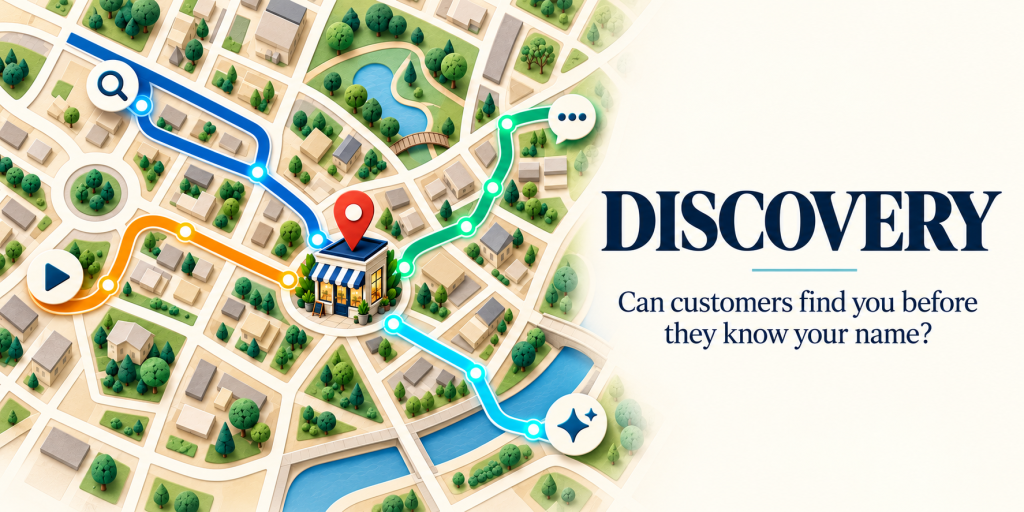
I use the word discovery for this wider picture. It asks three practical questions: Where are your customers looking? Can they find you there? And does what they find give them a reason to choose you?
At Everything Digital, we believe analytics should guide decisions — not just reports. When used correctly, Google Analytics becomes more than a dashboard; it becomes a growth engine.
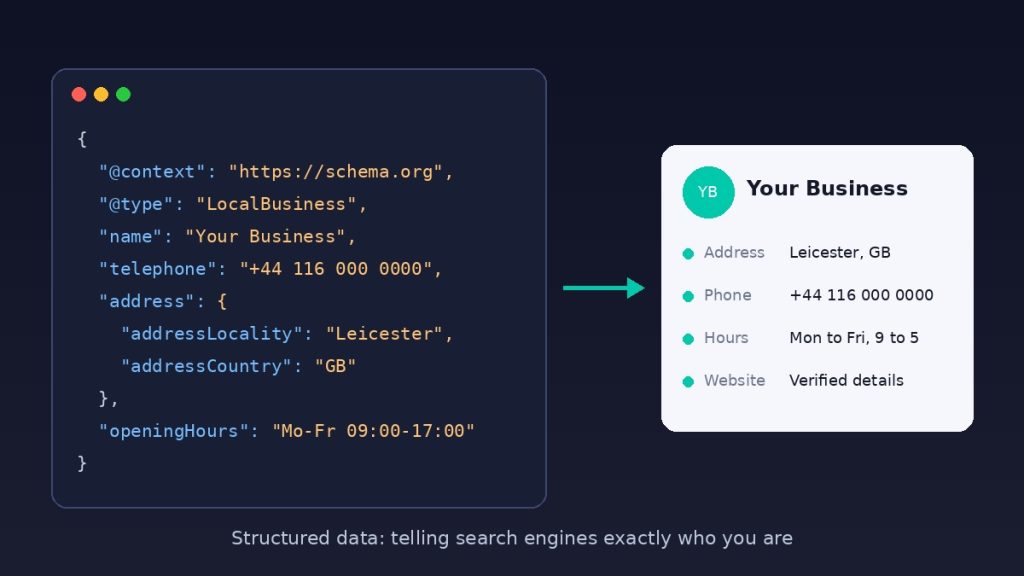
Which schema markup does a small business need? Organization, LocalBusiness, Article and Person explained, plus mistakes to avoid and how to test it.

What Our Clients Say

Privacy Policy

Last updated: February 07, 2025

This Privacy Policy describes Our policies and procedures on the collection, use and disclosure of Your information when You use the Service and tells You about Your privacy rights and how the law protects You.

We use Your Personal data to provide and improve the Service. By using the Service, You agree to the collection and use of information in accordance with this Privacy Policy. 

Interpretation and Definitions

Interpretation

The words of which the initial letter is capitalized have meanings defined under the following conditions. The following definitions shall have the same meaning regardless of whether they appear in singular or in plural.

Definitions

For the purposes of this Privacy Policy:

  • Account means a unique account created for You to access our Service or parts of our Service.
  • Affiliate means an entity that controls, is controlled by or is under common control with a party, where “control” means ownership of 50% or more of the shares, equity interest or other securities entitled to vote for election of directors or other managing authority.
  • Company (referred to as either “the Company”, “We”, “Us” or “Our” in this Agreement) refers to Everything Branded Limited, 1 Waterloo Way LE 1 6LP Leicester, United Kingdom.
  • Cookies are small files that are placed on Your computer, mobile device or any other device by a website, containing the details of Your browsing history on that website among its many uses.
  • Country refers to: United Kingdom
  • Device means any device that can access the Service such as a computer, a cellphone or a digital tablet.
  • Personal Data is any information that relates to an identified or identifiable individual.
  • Service refers to the Website.
  • Service Provider means any natural or legal person who processes the data on behalf of the Company. It refers to third-party companies or individuals employed by the Company to facilitate the Service, to provide the Service on behalf of the Company, to perform services related to the Service or to assist the Company in analyzing how the Service is used.
  • Usage Data refers to data collected automatically, either generated by the use of the Service or from the Service infrastructure itself (for example, the duration of a page visit).
  • Website refers to Everything Digital, accessible from https://everythingdigital.com
  • You means the individual accessing or using the Service, or the company, or other legal entity on behalf of which such individual is accessing or using the Service, as applicable.

Collecting and Using Your Personal Data

Types of Data Collected

Personal Data

While using Our Service, We may ask You to provide Us with certain personally identifiable information that can be used to contact or identify You. Personally identifiable information may include, but is not limited to:

  • Email address
  • First name and last name
  • Phone number
  • Usage Data

Usage Data

Usage Data is collected automatically when using the Service.

Usage Data may include information such as Your Device’s Internet Protocol address (e.g. IP address), browser type, browser version, the pages of our Service that You visit, the time and date of Your visit, the time spent on those pages, unique device identifiers and other diagnostic data.

When You access the Service by or through a mobile device, We may collect certain information automatically, including, but not limited to, the type of mobile device You use, Your mobile device unique ID, the IP address of Your mobile device, Your mobile operating system, the type of mobile Internet browser You use, unique device identifiers and other diagnostic data.

We may also collect information that Your browser sends whenever You visit our Service or when You access the Service by or through a mobile device.

Tracking Technologies and Cookies

We use Cookies and similar tracking technologies to track the activity on Our Service and store certain information. Tracking technologies used are beacons, tags, and scripts to collect and track information and to improve and analyze Our Service. The technologies We use may include:

  • Cookies or Browser Cookies. A cookie is a small file placed on Your Device. You can instruct Your browser to refuse all Cookies or to indicate when a Cookie is being sent. However, if You do not accept Cookies, You may not be able to use some parts of our Service. Unless you have adjusted Your browser setting so that it will refuse Cookies, our Service may use Cookies.
  • Web Beacons. Certain sections of our Service and our emails may contain small electronic files known as web beacons (also referred to as clear gifs, pixel tags, and single-pixel gifs) that permit the Company, for example, to count users who have visited those pages or opened an email and for other related website statistics (for example, recording the popularity of a certain section and verifying system and server integrity).

Cookies can be “Persistent” or “Session” Cookies. Persistent Cookies remain on Your personal computer or mobile device when You go offline, while Session Cookies are deleted as soon as You close Your web browser. Learn more about cookies on the Free Privacy Policy website article.

We use both Session and Persistent Cookies for the purposes set out below:

  • Necessary / Essential Cookies

Type: Session Cookies

Administered by: Us

Purpose: These Cookies are essential to provide You with services available through the Website and to enable You to use some of its features. They help to authenticate users and prevent fraudulent use of user accounts. Without these Cookies, the services that You have asked for cannot be provided, and We only use these Cookies to provide You with those services.

  • Cookies Policy / Notice Acceptance Cookies

Type: Persistent Cookies

Administered by: Us

Purpose: These Cookies identify if users have accepted the use of cookies on the Website.

  • Functionality Cookies

Type: Persistent Cookies

Administered by: Us

Purpose: These Cookies allow us to remember choices You make when You use the Website, such as remembering your login details or language preference. The purpose of these Cookies is to provide You with a more personal experience and to avoid You having to re-enter your preferences every time You use the Website.

For more information about the cookies we use and your choices regarding cookies, please visit our Cookies Policy or the Cookies section of our Privacy Policy.

Use of Your Personal Data

The Company may use Personal Data for the following purposes:

  • To provide and maintain our Service, including to monitor the usage of our Service.
  • To manage Your Account: to manage Your registration as a user of the Service. The Personal Data You provide can give You access to different functionalities of the Service that are available to You as a registered user.
  • For the performance of a contract: the development, compliance and undertaking of the purchase contract for the products, items or services You have purchased or of any other contract with Us through the Service.
  • To contact You: To contact You by email, telephone calls, SMS, or other equivalent forms of electronic communication, such as a mobile application’s push notifications regarding updates or informative communications related to the functionalities, products or contracted services, including the security updates, when necessary or reasonable for their implementation.
  • To provide You with news, special offers and general information about other goods, services and events which we offer that are similar to those that you have already purchased or enquired about unless You have opted not to receive such information.
  • To manage Your requests: To attend and manage Your requests to Us.
  • For business transfers: We may use Your information to evaluate or conduct a merger, divestiture, restructuring, reorganization, dissolution, or other sale or transfer of some or all of Our assets, whether as a going concern or as part of bankruptcy, liquidation, or similar proceeding, in which Personal Data held by Us about our Service users is among the assets transferred.
  • For other purposes: We may use Your information for other purposes, such as data analysis, identifying usage trends, determining the effectiveness of our promotional campaigns and to evaluate and improve our Service, products, services, marketing and your experience.

We may share Your personal information in the following situations:

  • With Service Providers: We may share Your personal information with Service Providers to monitor and analyze the use of our Service, to contact You.
  • For business transfers: We may share or transfer Your personal information in connection with, or during negotiations of, any merger, sale of Company assets, financing, or acquisition of all or a portion of Our business to another company.
  • With Affiliates: We may share Your information with Our affiliates, in which case we will require those affiliates to honor this Privacy Policy. Affiliates include Our parent company and any other subsidiaries, joint venture partners or other companies that We control or that are under common control with Us.
  • With business partners: We may share Your information with Our business partners to offer You certain products, services or promotions.
  • With other users: when You share personal information or otherwise interact in the public areas with other users, such information may be viewed by all users and may be publicly distributed outside.
  • With Your consent: We may disclose Your personal information for any other purpose with Your consent.

Retention of Your Personal Data

The Company will retain Your Personal Data only for as long as is necessary for the purposes set out in this Privacy Policy. We will retain and use Your Personal Data to the extent necessary to comply with our legal obligations (for example, if we are required to retain your data to comply with applicable laws), resolve disputes, and enforce our legal agreements and policies.

The Company will also retain Usage Data for internal analysis purposes. Usage Data is generally retained for a shorter period of time, except when this data is used to strengthen the security or to improve the functionality of Our Service, or We are legally obligated to retain this data for longer time periods.

Transfer of Your Personal Data

Your information, including Personal Data, is processed at the Company’s operating offices and in any other places where the parties involved in the processing are located. It means that this information may be transferred to — and maintained on — computers located outside of Your state, province, country or other governmental jurisdiction where the data protection laws may differ than those from Your jurisdiction.

Your consent to this Privacy Policy followed by Your submission of such information represents Your agreement to that transfer.

The Company will take all steps reasonably necessary to ensure that Your data is treated securely and in accordance with this Privacy Policy and no transfer of Your Personal Data will take place to an organization or a country unless there are adequate controls in place including the security of Your data and other personal information.

Delete Your Personal Data

You have the right to delete or request that We assist in deleting the Personal Data that We have collected about You.

Our Service may give You the ability to delete certain information about You from within the Service.

You may update, amend, or delete Your information at any time by signing in to Your Account, if you have one, and visiting the account settings section that allows you to manage Your personal information. You may also contact Us to request access to, correct, or delete any personal information that You have provided to Us.

Please note, however, that We may need to retain certain information when we have a legal obligation or lawful basis to do so.

Disclosure of Your Personal Data

Business Transactions

If the Company is involved in a merger, acquisition or asset sale, Your Personal Data may be transferred. We will provide notice before Your Personal Data is transferred and becomes subject to a different Privacy Policy.

Law enforcement

Under certain circumstances, the Company may be required to disclose Your Personal Data if required to do so by law or in response to valid requests by public authorities (e.g. a court or a government agency).

Other legal requirements

The Company may disclose Your Personal Data in the good faith belief that such action is necessary to:

  • Comply with a legal obligation
  • Protect and defend the rights or property of the Company
  • Prevent or investigate possible wrongdoing in connection with the Service
  • Protect the personal safety of Users of the Service or the public
  • Protect against legal liability

Security of Your Personal Data

The security of Your Personal Data is important to Us, but remember that no method of transmission over the Internet, or method of electronic storage is 100% secure. While We strive to use commercially acceptable means to protect Your Personal Data, We cannot guarantee its absolute security.

Children’s Privacy

Our Service does not address anyone under the age of 13. We do not knowingly collect personally identifiable information from anyone under the age of 13. If You are a parent or guardian and You are aware that Your child has provided Us with Personal Data, please contact Us. If We become aware that We have collected Personal Data from anyone under the age of 13 without verification of parental consent, We take steps to remove that information from Our servers.

If We need to rely on consent as a legal basis for processing Your information and Your country requires consent from a parent, We may require Your parent’s consent before We collect and use that information.

Links to Other Websites

Our Service may contain links to other websites that are not operated by Us. If You click on a third party link, You will be directed to that third party’s site. We strongly advise You to review the Privacy Policy of every site You visit.

We have no control over and assume no responsibility for the content, privacy policies or practices of any third party sites or services.

Changes to this Privacy Policy

We may update Our Privacy Policy from time to time. We will notify You of any changes by posting the new Privacy Policy on this page.

We will let You know via email and/or a prominent notice on Our Service, prior to the change becoming effective and update the “Last updated” date at the top of this Privacy Policy.

You are advised to review this Privacy Policy periodically for any changes. Changes to this Privacy Policy are effective when they are posted on this page.

Contact Us

If you have any questions about this Privacy Policy, You can contact us:

  • By email: hello@everythingdigital.com


Terms and Conditions


  1. Scope of Services

The Agency agrees to provide digital marketing services to the Client. The specific solutions and deliverables will be outlined in “Scope of Solutions and Dates” once mutually agreed upon. These may include, but are not limited to:


  1. Term and Termination
    • Term: The term of this Agreement begins on the date it is signed and will continue until terminated in accordance with this Agreement.
    • Termination: Either party may terminate this Agreement with [30 days] written notice. Upon termination, any services performed up to the date of termination will be billed accordingly.


  1. Payment Terms
    • Fees: Client agrees to pay Agency 14 days from commencement of agreement. All fees will be due on the agreed schedule monthly basis. All invoices will be sent at the start of each month.
    • Late Payments: Any overdue payments will incur a late fee of [5%] per month on the unpaid balance.
    • Expenses: The Client will reimburse the Agency for any approved expenses incurred on behalf of the Client, if applicable.


  1. Confidentiality and Ownership
    • Confidentiality: Both parties agree to keep confidential any proprietary information shared in the course of this Agreement.
    • Ownership of Deliverables: All completed deliverables are owned by the Client upon full payment, unless otherwise agreed.


  1. Performance Standards
    • The Agency will perform all services with reasonable skill and care, consistent with industry standards. The Agency cannot guarantee specific outcomes but will use best practices and a good-faith effort to achieve Client’s goals.


  1. Limitation of Liability
    • In no event will the Agency be liable for any consequential damages resulting from the services provided, including lost profits or business interruptions.


  1. Miscellaneous
    • Amendments: This Agreement can only be amended in writing and signed by both parties.
    • Governing Law: This Agreement shall be governed by the laws of [United Kingdom].
    • Entire Agreement: This document constitutes the entire agreement between the parties and supersedes any prior agreements or understandings.